
Foot pain, joint discomfort, and lower back strain can often feel like part of daily life. But what if they weren’t just symptoms to treat, but signs of a problem in how your body moves? Gait analysis is a powerful diagnostic tool used by podiatrists to evaluate the way you walk or run. Even minor abnormalities in your gait can lead to chronic pain, fatigue, and injury over time.
By identifying mechanical issues, gait analysis helps guide personalized treatment plans that not only reduce pain but also support better overall function and mobility. Whether you’re an athlete, someone recovering from an injury, or simply tired of recurring foot or knee pain, understanding your gait could be the key to long-term relief. Many people who seek care from a podiatrist in Alexandria, VA, are surprised to learn how much of their pain stems from the way they walk.
What Is Gait Analysis?
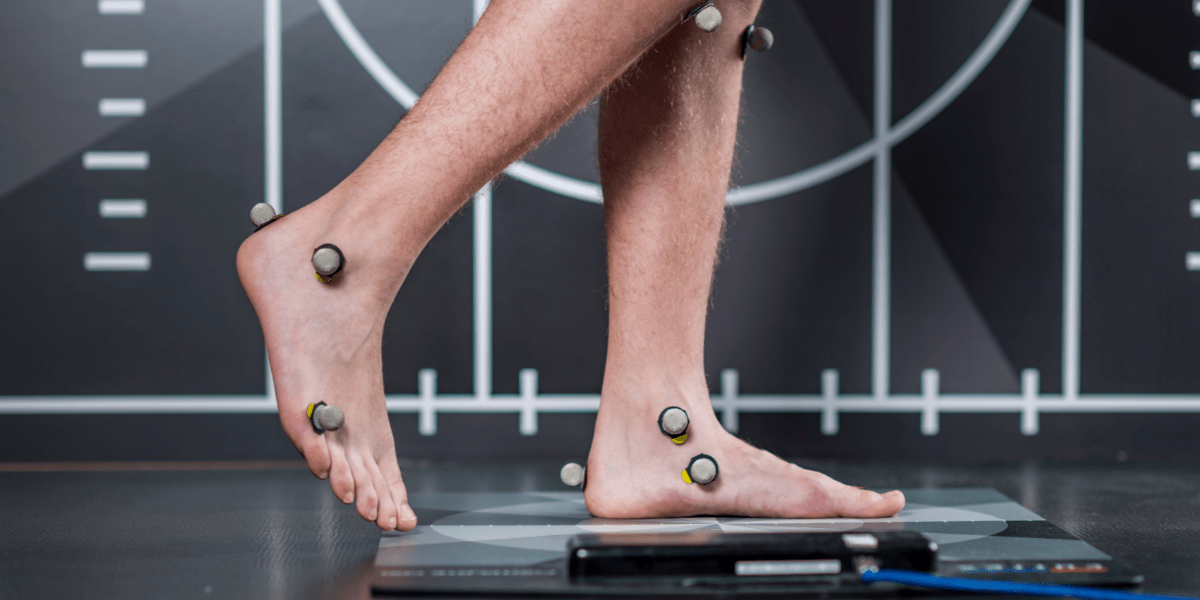
Gait analysis is the clinical study of a person’s walking or running pattern. It assesses how your feet, legs, hips, and upper body move with each step. This analysis typically includes visual observation, video recording, pressure mapping, and sometimes 3D motion capture. The goal is to pinpoint any irregularities that may contribute to pain, instability, or inefficient movement.
Experts evaluate several elements during gait analysis: stride length, weight distribution, foot alignment, and muscle coordination. Even small deviations, like overpronation or a shortened stride, can cause wear and tear on the joints and soft tissues.
Why Gait Matters More Than You Think
Most people never think about how they walk. But the mechanics of gait affect nearly every joint in the body, from the ankles to the lower back. An abnormal gait can place stress on ligaments, muscles, and bones, often leading to long-term issues.
For example, if one foot rolls inward excessively (a condition called overpronation), it can cause the knee to rotate unnaturally, straining the hip and spine. Over time, this may result in shin splints, plantar fasciitis, or back pain. Gait analysis shines a light on these small but significant problems before they turn into chronic conditions.
Common Conditions Linked to Gait Abnormalities
Many musculoskeletal conditions are directly linked to abnormal gait mechanics. These include:
- Plantar fasciitis
- Achilles tendinitis
- Bunions and hammertoes
- Knee pain or patellofemoral syndrome
- Hip pain or bursitis
- Lower back pain
Identifying the root cause through gait analysis allows providers to target treatment more effectively, often reducing the need for medication or surgery.
How Is Gait Analysis Performed?
During a typical gait analysis, a patient is asked to walk or run on a treadmill while a specialist observes and records their movement. Advanced systems may use force plates or pressure-sensitive mats to measure how weight is distributed across the foot.
Footwear is also examined, as shoe wear patterns often reveal much about a person’s gait. In some cases, podiatrists may recommend custom orthotics or physical therapy to correct any issues found during the assessment.
Who Benefits from Gait Analysis?
Gait analysis isn’t just for athletes. Anyone experiencing recurring foot, ankle, or lower limb pain can benefit. Children with walking irregularities, seniors facing balance issues, and patients recovering from surgery or injury often see meaningful improvements through gait-informed care.
By identifying biomechanical issues early, gait analysis also helps prevent future injury, especially for people with active lifestyles or occupations that involve prolonged standing or walking.
Treatment Options After Gait Analysis
Once a gait issue is identified, treatment may include:
- Custom orthotic devices to support proper alignment
- Physical therapy to strengthen weak muscles and improve coordination
- Changes in footwear
- In some cases, recommendations for activity modification
These personalized interventions aim to restore natural movement, reduce strain, and ease pain. Over time, patients often experience increased comfort, improved posture, and better performance in daily activities.
Gait analysis provides a scientific and compassionate approach to understanding the underlying causes of chronic pain and discomfort. By addressing subtle biomechanical issues, it paves the way for more effective treatment and lasting relief. If you’re tired of dealing with foot, leg, or back pain that seems to return no matter what you try, it may be time to look more closely at how you move.
District Foot & Ankle offers expert gait analysis and treatment plans tailored to your unique needs. If you’re looking for a knowledgeable podiatrist in Alexandria, VA, to help you walk pain-free, schedule a consultation today and take the first step toward lasting relief.