
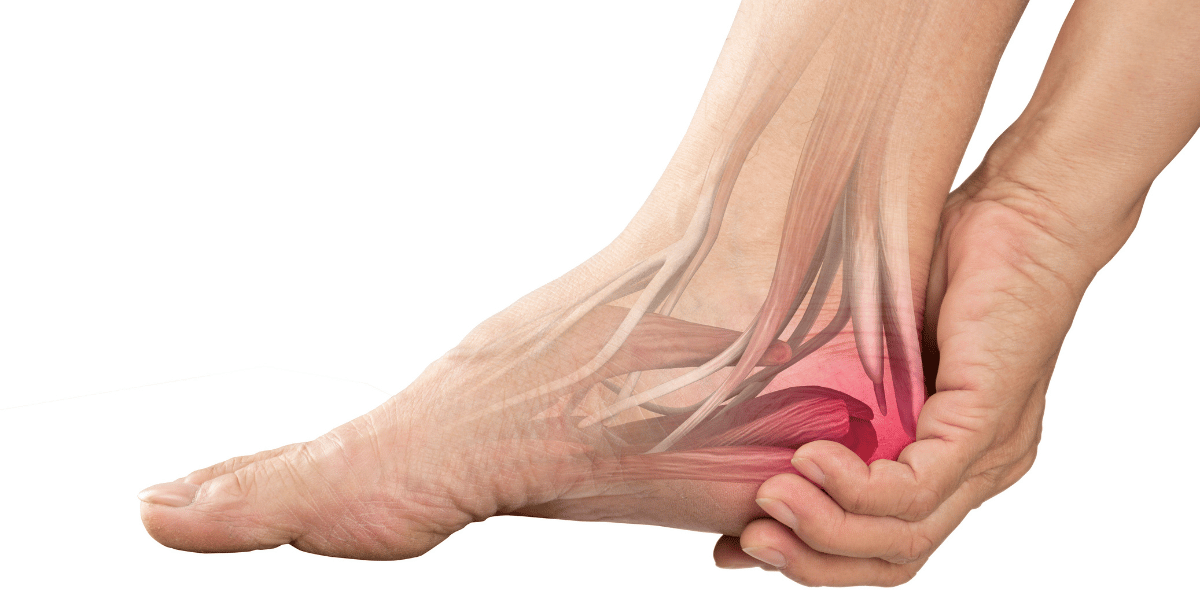
Does your heel hurt when you take your first steps in the morning? Perhaps you feel a sharp, stabbing sensation after sitting for a while, walking through Old Town Alexandria, or spending a busy day on your feet. What may seem like a minor ache can gradually interfere with your routine, making everyday activities more difficult and taking the enjoyment out of exercise, shopping, and time outdoors.
At District Foot & Ankle, we understand how frustrating persistent heel pain can be. Our podiatrists provide personalised foot and ankle care in Alexandria, VA, including treatment for heel pain and plantar fasciitis. We take the time to assess your symptoms, identify possible causes, and recommend a treatment plan suited to your needs. In this guide, we’ll explain what causes plantar fasciitis, how to recognise its symptoms, why early evaluation matters, and what treatment options may help you get back on your feet.
Table of Contents
- What Causes Heel Pain and Plantar Fasciitis?
- Common Signs You Should See a Podiatrist
- Why Early Treatment Matters for Heel Pain
- Treatment Options for Plantar Fasciitis and Heel Pain
- Frequently Asked Questions
What Causes Heel Pain and Plantar Fasciitis?
Heel pain can develop for several reasons, but one of the most common causes is plantar fasciitis. The plantar fascia is a thick band of connective tissue that runs along the bottom of your foot, connecting your heel bone to the base of your toes. It helps support your arch and absorbs some of the forces placed on your feet when you stand, walk, or run.
When this tissue becomes irritated, it can cause pain around the bottom of the heel. The discomfort is often most noticeable when you first get out of bed or stand after sitting for an extended period. It may ease as you move around, only to return after prolonged walking or standing.
Several factors can contribute to plantar fasciitis. These include tight calf muscles, limited ankle flexibility, changes in physical activity, repetitive impact, and footwear that does not provide adequate support. People who spend long hours standing at work, increase their running mileage too quickly, or regularly walk on hard surfaces may also experience increased strain on the plantar fascia.
Alexandria residents have plenty of reasons to stay active, from walking around Old Town to exploring local parks and taking part in recreational sports. However, repeated pressure on the feet without enough recovery can contribute to heel discomfort. Your shoes, activity levels, foot structure, and overall health may all play a role.
It is also important to remember that not all heel pain is plantar fasciitis. Achilles tendon problems, stress fractures, nerve irritation, bursitis, and other conditions can cause similar symptoms. The American College of Foot and Ankle Surgeons explains that a proper evaluation helps identify the source of heel pain and determine the appropriate treatment.
Common Signs You Should See a Podiatrist
Heel pain does not always begin as severe discomfort. You may initially notice a slight ache after a long walk or a sharp sensation when you stand up in the morning. Over time, these symptoms can become more frequent or start affecting how you walk.
Some common signs of plantar fasciitis and related heel conditions include:
- Pain with your first morning steps: A sharp or stabbing sensation under the heel when you get out of bed.
- Discomfort after sitting: Pain when standing after a long drive, working at a desk, or relaxing on the sofa.
- Heel pain after activity: Symptoms that become more noticeable after walking, running, or standing for extended periods.
- Tenderness beneath the heel: Sensitivity when pressing the bottom or inner part of the heel.
- Changes in your walking pattern: Adjusting how you step to avoid putting pressure on the painful area.
You should consider seeing a podiatrist if your heel pain keeps returning, becomes more intense, or interferes with normal activities. Waiting for the discomfort to disappear on its own may allow the underlying problem to continue.
At District Foot & Ankle, we begin by listening to your concerns and learning when your symptoms occur. We consider your activity levels, footwear, medical history, and other factors that may contribute to your discomfort.
Our goal is to identify the cause rather than simply address the painful area. If you are experiencing persistent heel pain, contact our Alexandria podiatry office to arrange an evaluation.
Why Early Treatment Matters for Heel Pain
It can be tempting to ignore heel pain, especially when it improves after a few minutes of walking. However, recurring discomfort is a sign that something may need attention. An early podiatry evaluation can help identify the problem and give you an opportunity to address it before it continues to interfere with your daily routine.
One concern is that persistent pain can cause you to change the way you walk. You may put more weight on the opposite foot, shorten your steps, or avoid certain movements. These adjustments can place additional stress on other parts of your feet and lower limbs.
Early treatment also helps distinguish plantar fasciitis from other conditions that require different care. For example, pain near the back of the heel may involve the Achilles tendon, while sudden pain following an injury could indicate a more serious problem. A podiatrist can assess your symptoms and determine whether additional testing is appropriate.
At our Alexandria office, we recognise that every patient has different needs. Someone who spends most of the day standing may need a different treatment approach from a runner who wants to return to regular training. We consider your daily activities, comfort, and personal goals when developing a care plan.
You do not have to wait until heel pain becomes unbearable before seeking help. If symptoms are persistent, worsening, or affecting your ability to walk comfortably, a professional assessment is a sensible next step.
Treatment Options for Plantar Fasciitis and Heel Pain
Treatment depends on the cause and severity of your symptoms. Many patients with plantar fasciitis begin with non-surgical approaches designed to reduce strain on the plantar fascia, improve flexibility, and support normal foot function.
Your treatment plan may include several of the following options:
Activity adjustments and stretching
Reducing activities that aggravate your heel can give irritated tissues time to recover. Your podiatrist may also recommend specific calf and plantar fascia stretches to improve flexibility and reduce tension around the heel.
Supportive footwear and orthotics
Shoes with appropriate cushioning and arch support can help distribute pressure more evenly across your feet. Depending on your foot structure and symptoms, your podiatrist may recommend supportive inserts or custom orthotics as part of a broader treatment plan.
Shockwave therapy
For patients with persistent heel pain, we offer extracorporeal shockwave therapy. This treatment uses acoustic waves directed at the affected area to stimulate a healing response. It may be considered when conventional approaches have not provided sufficient relief.
Regenerative treatment options
We also advocate for regenerative treatment approaches when appropriate. Depending on your condition and treatment goals, options such as platelet-rich plasma (PRP) may be discussed as part of an individualised plan.
Further treatment when needed
Some cases of heel pain require additional evaluation or more specialised treatment. Surgery is not usually the first option for plantar fasciitis, but it may be considered in selected cases when other treatments have not worked.
At District Foot & Ankle, we aim to consider conservative and regenerative options before recommending surgery whenever clinically appropriate. Our team is also prepared to discuss surgical care when it is necessary. You can learn more about our doctors and the conditions we treat on our Alexandria location page.
Frequently Asked Questions About Heel Pain Treatment in Alexandria, VA
What is the fastest way to relieve plantar fasciitis pain?
There is no single treatment that works immediately for everyone. Reducing activities that aggravate the heel, wearing supportive footwear, and performing appropriate stretching exercises may help. If the pain persists, a podiatrist can assess the cause and recommend treatment based on your symptoms and foot health.
Should I keep walking if I have plantar fasciitis?
You may be able to continue some activities, but avoid pushing through pain that worsens during or after walking. Consider reducing high-impact exercise and choosing activities that place less stress on your heel. A podiatrist can help you determine which movements are appropriate while you recover.
How long does plantar fasciitis take to heal?
Recovery varies depending on how long you have had symptoms, the severity of the condition, and how well you respond to treatment. Some people improve within several weeks, while persistent cases may take months. Following your treatment plan and addressing contributing factors can support recovery.
Can plantar fasciitis go away without treatment?
Mild symptoms may improve with activity adjustments, stretching, and supportive footwear. However, recurring or worsening heel pain should not be ignored. A podiatrist can confirm whether plantar fasciitis is responsible and help prevent other causes of heel pain from going undiagnosed.
When should I see a podiatrist for heel pain?
Schedule an evaluation if your heel pain keeps returning, affects your walking, or does not improve with simple changes to your routine. Seek prompt medical attention if pain follows a significant injury, you cannot bear weight, or you notice marked swelling, redness, or other concerning symptoms.
Conclusion
Heel pain and plantar fasciitis can make everyday activities uncomfortable, from getting out of bed to walking around Alexandria or participating in your favourite sports. Although some symptoms may improve with basic care, persistent discomfort deserves attention. Identifying the cause early allows you to explore appropriate treatment options and address factors that may be contributing to the problem.
At District Foot & Ankle, we provide comprehensive foot and ankle care for patients in Alexandria, VA, and the surrounding Northern Virginia communities. Our podiatrists take a personalised approach to heel pain, offering non-surgical treatments, shockwave therapy, regenerative options, and surgical care when appropriate. We want to help you move more comfortably and return to the activities you enjoy.
Don’t let heel pain dictate how you spend your day. If you’re experiencing persistent heel discomfort or symptoms of plantar fasciitis, our team at District Foot & Ankle is here to help. We’ll evaluate your condition, discuss your treatment options, and work with you on a plan suited to your needs.