
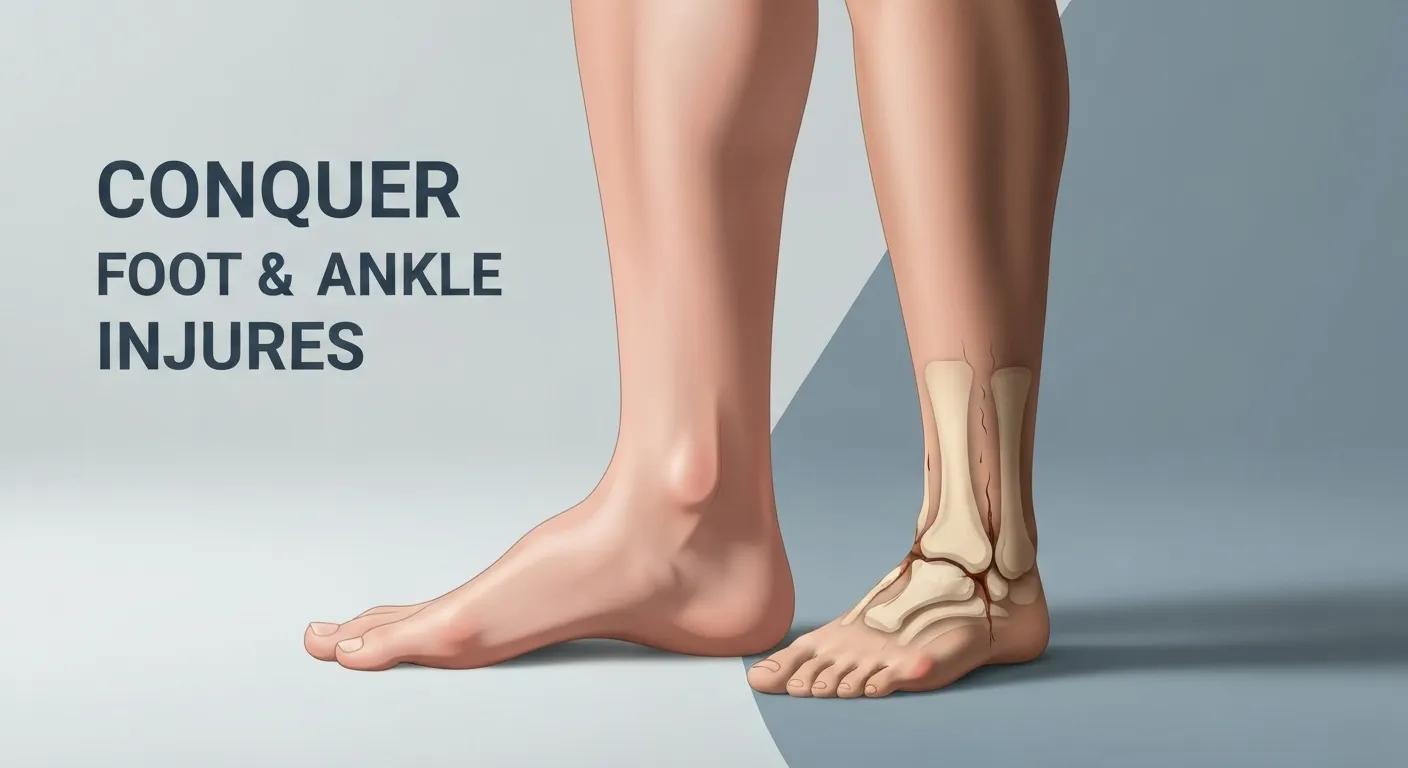
When foot and ankle injuries aren’t properly addressed, they can lead to significant problems down the road. Brushing off a sprain or fracture doesn’t just prolong your discomfort; it increases your chances of dealing with ongoing instability, arthritis, nerve issues, deformities, and complex pain conditions. This guide dives into the long-term complications that can arise from untreated foot and ankle trauma. We’ll explore common injury types, how neglected injuries affect your body over time, and the range of lasting effects. You’ll learn the differences between sprains and fractures, how to spot early signs of wear and tear, and the effective treatments available from trusted experts like District Foot and Ankle. Here’s what we’ll cover:
- The types of foot and ankle trauma and why some injuries get overlooked
- How neglecting injuries impacts your body: chronic pain, scar tissue, and inflammation
- Specific long-term outcomes: chronic ankle instability, post-traumatic arthritis, nerve damage, deformities, and chronic pain syndromes
- Why early intervention is key and when to get professional podiatric help
What Are the Common Types of Foot and Ankle Trauma Injuries?
Foot and ankle trauma covers a spectrum of issues, from minor strains to broken bones, each carrying unique risks if left untreated. These injuries can affect ligaments, tendons, or bones, compromise joint stability, and pave the way for long-term joint wear. For instance, an ankle sprain involves overstretched ligaments leading to instability, while a metatarsal fracture can cause bone fragments to shift, altering how you walk and your foot’s mechanics.
Common types of trauma include:
- Ankle Sprains: Overstretching or tearing of the ligaments on the outside of the ankle, usually from rolling your ankle inward.
- Metatarsal Fractures: Breaks in the long bones of the front of your foot, often caused by a direct blow or repeated stress.
- Calcaneal (Heel) Fractures: Injuries from falls or twisting motions that impact the heel bone, affecting your ability to bear weight.
- Lisfranc Injuries: Dislocations or fractures in the midfoot joint, leading to instability in that area.
- Achilles Tendon Ruptures: Complete tears of the tendon that connects your calf muscles to your heel bone, impacting your ability to push off.
These injuries differ in how severe they are and how they need to heal. Ignoring them can put excessive stress on your joints, leading to breakdown over time. Understanding these injury categories is the first step in grasping their long-term consequences.
Which Foot Injuries Often Go Untreated?
Many people dismiss foot pain after a minor injury, thinking rest and over-the-counter solutions will be enough. However, certain injuries often don’t get the proper attention they need:
- Stress fractures in the metatarsals, which can feel like persistent soreness in the front of the foot.
- Partial tears of the plantar fascia, sometimes mistaken for simple heel strain.
- Minor avulsion fractures, where small pieces of bone pull away with a ligament.
- Turf toe (overextending the big toe joint), often treated as just a minor sprain.
These injuries might not seem serious at first but can lead to bones healing incorrectly or ongoing inflammation if not diagnosed accurately. Getting a professional assessment early on, possibly with X-rays or an MRI, can prevent lasting biomechanical issues and future problems.
What Are Typical Ankle Trauma Injuries?
Ankle trauma can range from ligament sprains to bone fractures and soft tissue tears:
- Grade I–III Sprains: These involve microscopic tears to complete ruptures of the ankle ligaments.
- Lateral Malleolus Fractures: Breaks in the fibula, the smaller bone on the outer side of the ankle.
- Medial Malleolus Fractures: Fractures of the tibia, the larger bone on the inner side of the ankle.
- Bimalleolar and Trimalleolar Fractures: Breaks involving multiple parts of the ankle bones, affecting its stability.
- Syndesmotic (“High Ankle”) Sprains: Injuries to the ligaments connecting the tibia and fibula, which may require surgery to stabilize.
Without proper support, controlled weight-bearing, and rehabilitation, these injuries can result in loose joints, uneven wear on cartilage, and premature arthritis.
How Do Untreated Sprains and Fractures Differ in Impact?
Sprains primarily affect the ligaments, leading to instability and repeated twisting. Fractures, on the other hand, can result in bones healing in the wrong position (malunion) or not healing at all (nonunion), which changes how forces are distributed across the joints. Untreated sprains often lead to chronic ankle instability, while neglected fractures make the joint more prone to faster cartilage breakdown and deformity. While both situations cause pain and limit function, fractures tend to cause more significant structural damage that may need surgery to fix.
What Happens When Foot and Ankle Injuries Are Left Untreated?
When trauma is ignored, the body’s natural healing processes can lead to harmful changes in tissue structure and joint function. What starts as acute inflammation can become chronic, scar tissue can build up, and cartilage can begin to wear away. Over time, unaddressed ligament looseness and bone misalignment cause joints to bear weight unevenly, speeding up wear and tear.
How Does Ignored Trauma Lead to Chronic Pain and Inflammation?
Ignoring an acute injury means inflammation sticks around longer than it should. Persistent swelling brings inflammatory substances that can damage collagen and cartilage. Chronic pain develops as pain receptors stay overly sensitive. Over months, this leads to arthritic changes and ongoing discomfort, making daily activities difficult and reducing your quality of life.
What Are the Early Signs of Long-Term Damage?
Early indicators that an injury might be progressing include:
- Swelling or fluid in the joint that lasts longer than 72 hours.
- Repeated instances of the joint feeling like it’s “giving way” or unstable.
- A dull ache in areas that bear weight, especially during activity.
- Stiffness in the morning or after sitting for a while.
Noticing these symptoms early can prompt diagnostic imaging (like X-rays or MRIs) to catch cartilage damage or subtle fractures before they become irreversible.
How Does Scar Tissue and Degeneration Develop Over Time?
After uncontrolled inflammation, scar tissue forms to repair torn fibers, but it lacks the flexibility of the original tissue. This tough, fibrous tissue restricts the joint’s range of motion and disrupts normal movement patterns. At the same time, uneven force distribution speeds up cartilage breakdown, leading to narrower joint spaces and bone spurs, which are signs of osteoarthritis. Over years, this degeneration results in chronic pain and functional limitations.
What Are the Long-Term Effects of Untreated Ankle Sprains?
If ankle sprains aren’t recognized or treated properly, they can trigger a cycle of instability and re-injury. Ligament looseness allows for abnormal movement in the ankle joint, putting stress on surrounding structures and leading to more sprains.
What Causes Chronic Ankle Instability After Ignored Sprains?
Repeated minor tears in the ligaments, without enough time to heal, lead to chronic looseness. Poor neuromuscular control after a sprain also affects the body’s sense of joint position (proprioception). These factors together result in ongoing ankle instability.
How Do Recurrent Sprains Affect Mobility and Stability?
Chronic ankle instability makes people hesitant to walk on uneven surfaces, leading to changes in their gait and putting extra strain on the opposite leg. Over time, this imbalance can contribute to problems in the knee and hip.
What Treatment Options Are Available for Chronic Ankle Instability?
Physical therapy focused on improving balance, strengthening muscles, and enhancing proprioception can often restore dynamic stability. Ankle braces or taping offer external support during activities. For cases that don’t improve with conservative care, surgical procedures to reconstruct the ligaments or stabilize the ankle, as offered at District Foot and Ankle, can help restore joint integrity.
How Does Post-Traumatic Arthritis Develop from Old Foot and Ankle Injuries?
Post-traumatic arthritis (PTA) occurs when initial cartilage damage or joint misalignment from fractures and severe sprains starts a process of degeneration. Trauma compromises the health of the cartilage, and altered weight-bearing patterns accelerate wear.
The Role of Inflammation in Post-Traumatic Osteoarthritis of the Ankle
What Are the Symptoms and Diagnosis of Post-Traumatic Arthritis?
PTA typically causes joint stiffness, swelling after activity, a grinding sensation (crepitus), and pain localized to the injured area. Diagnosis is confirmed through X-rays showing narrowed joint spaces, bone spurs, and increased bone density beneath the cartilage. An MRI can sometimes detect early cartilage damage before it’s visible on X-rays.
Which Injuries Most Commonly Lead to Post-Traumatic Arthritis?
- Calcaneal Fractures: Injuries to the heel bone can affect the subtalar joint, leading to arthritis in the hindfoot.
- Ankle Fractures: Breaks involving multiple ankle bones can cause unevenness in the main ankle joint (tibial plafond), leading to arthritis.
- Lisfranc Injuries: Misalignment in the midfoot joints can result in arthritis in the tarsometatarsal joints.
How Can Post-Traumatic Arthritis Be Managed or Treated?
Effective management includes anti-inflammatory medications, custom orthotics to reduce pressure on affected areas, and specific physical therapy. For more advanced PTA, surgical options like arthroscopic debridement, ankle fusion, or total ankle replacement can help restore pain-free function.
Surgical decisions depend on factors like joint alignment, your activity level, and overall health. These treatments highlight the importance of specialized podiatric care.
What Types of Nerve Damage Can Result from Ignored Foot and Ankle Trauma?
Trauma can put pressure on or injure the nerves in your feet and ankles, leading to nerve problems if the pressure isn’t relieved or healing isn’t adequate.
What Are the Symptoms of Neuropathy After Foot Injuries?
Nerve damage symptoms can include numbness, burning or tingling sensations, sharp shooting pains, and changes in how you perceive temperature in the affected areas. These symptoms often get worse at night and might be accompanied by muscle weakness if the nerves controlling movement are affected.
How Does Nerve Impingement Occur Following Trauma?
Scar tissue from untreated injuries can press on nerves as they travel through the area. Bone fragments from fractures that healed improperly can also pinch nearby nerves. Ongoing inflammation and swelling can further narrow the spaces where nerves run, causing persistent irritation.
What Treatments Are Effective for Neuropathic Pain?
Initial treatments often involve oral medications for nerve pain (like gabapentin), exercises to help desensitize the area, and custom orthotics designed to reduce pressure on the nerves. If these methods don’t work, surgery to release trapped nerves can help relieve symptoms and restore function.
How Do Untreated Foot and Ankle Injuries Cause Deformities?
When fractures and torn ligaments are left unhealed, they can mend in positions that are not aligned correctly, leading to permanent deformities that change how you walk and your foot’s mechanics.
What Are Common Deformities from Ignored Injuries?
- Flatfoot (Pes Planus): The arch of the foot collapses due to issues with the posterior tibial tendon or midfoot injuries.
- High Arches (Pes Cavus): Often related to muscle imbalances that weren’t corrected after tendon ruptures.
- Malunion Fractures: Bones that heal in a crooked position, causing angular deformities and uneven weight distribution.
When Is Surgical Correction Necessary for Foot Deformities?
Surgery is typically recommended when non-surgical treatments haven’t relieved pain or improved function. Procedures like osteotomy (cutting and realigning bone), tendon transfers, and joint fusions can correct structural problems and improve how the foot handles pressure.
How Does Early Treatment Prevent Deformity Development?
Getting timely treatment with casts, braces, and guided rehabilitation helps maintain proper bone alignment and ligament tension, preventing abnormal healing. Early intervention preserves the foot’s natural structure, reducing the need for extensive reconstructive surgery later on.
What Are the Chronic Pain Syndromes Linked to Ignored Foot and Ankle Trauma?
When acute injuries aren’t managed properly, some individuals develop chronic pain syndromes characterized by pain that seems out of proportion to the injury and can be accompanied by emotional distress.
What Is Complex Regional Pain Syndrome (CRPS) and How Is It Related?
CRPS is a type of nerve pain that causes intense burning pain, swelling, skin color changes, and extreme sensitivity after an injury. Persistent inflammation and abnormal nerve signaling following foot or ankle trauma can trigger CRPS, severely limiting mobility.
How Does Chronic Pain Affect Mental Health and Quality of Life?
Ongoing pain can lead to anxiety, depression, sleep problems, and social isolation. Reduced activity due to fear of pain causes physical deconditioning, creating a cycle of pain and disability that diminishes overall well-being.
What Coping Strategies and Treatments Help Manage Chronic Pain?
A comprehensive approach combining cognitive behavioral therapy, gradual exercise programs, and medication (such as antidepressants or nerve pain drugs) can improve coping skills. Working with a team of specialists, including podiatrists, physical therapists, and pain management experts, can foster psychological resilience and functional recovery.
How Can Early Intervention Prevent Long-Term Complications from Foot and Ankle Injuries?
Getting prompt evaluation and treatment for foot and ankle trauma significantly lowers the chances of developing long-term issues. Early diagnosis ensures that proper immobilization, alignment, and rehabilitation protocols are followed.
What Are the Signs That Require Immediate Podiatric Evaluation?
Seek prompt assessment if you experience:
- Pain that doesn’t improve with rest and ice.
- Inability to put weight on your foot or walk more than a few steps.
- Visible deformity, bruising, or bone sticking out.
- Numbness or tingling in your toes or ankle.
These warning signs suggest potential fractures, tendon ruptures, or nerve involvement that requires specialist care.
How Does Timely Diagnosis Improve Outcomes?
Early imaging (X-ray, ultrasound, MRI) accurately determines the extent of the injury, guiding appropriate casting, surgical planning, or physical therapy. Ensuring proper alignment and stability from the start protects cartilage and ligaments from further damage.
What Treatment Protocols Does District Foot and Ankle Offer for Early Care?
District Foot and Ankle provides a complete plan from injury to recovery:
- Diagnostic Imaging: On-site X-ray and MRI for precise evaluation.
- Immobilization and Casting: Custom-fitted walking boots and casts to promote correct healing.
- Rehabilitation Programs: Personalized physical therapy to build strength and improve balance.
- Orthotic Design: Custom inserts to support the arch and normalize walking patterns.
- Surgical Intervention: Minimally invasive and reconstructive procedures when necessary.
This integrated approach ensures every stage of healing is optimized to prevent long-term complications.
When Should You See a Podiatrist for Foot and Ankle Trauma?
Knowing when to consult a specialist is vital for preventing lasting damage and maintaining your mobility.
What Symptoms Indicate the Need for Professional Evaluation?
- Pain that continues for more than a week despite home care.
- Repeated instances of your ankle feeling unstable or “giving way.”
- Visible deformity, swelling, or bruising.
- Numbness, tingling, or weakness in your foot or ankle.
How Does District Foot and Ankle Support Patients with Long-Term Injury Effects?
At both our Alexandria and Leesburg locations, District Foot and Ankle combines patient-focused care with advanced surgical expertise. We emphasize ongoing monitoring, custom orthotics, and collaborative rehabilitation to address chronic instability, arthritis, and nerve issues.
What Are the Next Steps After Diagnosis?
After your evaluation, your podiatrist will create a personalized treatment plan. This might include immobilization, guided physical therapy, custom orthotics, or a referral for surgical correction. Regular follow-up appointments ensure you’re progressing toward pain relief and restored function.
Addressing foot and ankle trauma promptly is essential to avoid long-term instability, arthritis, nerve problems, and deformities. Understanding how injuries can develop into chronic conditions empowers you to seek care before irreversible damage occurs. District Foot and Ankle offers comprehensive services—from diagnostics and rehabilitation to advanced surgical solutions—providing tailored treatments to restore your mobility and quality of life. By prioritizing timely evaluation and evidence-based care, you can prevent the severe consequences of ignored foot and ankle injuries and maintain healthy feet for life.