
Find the Cause Behind Heel Pain That Will Not Quit
Persistent heel pain can make ordinary walking feel like a chore. It can also put a damper on exercise, long workdays, and autumn activities such as holiday shopping or standing during family gatherings. When pain keeps returning, it is worth finding out what is actually causing it instead of relying on short-term relief.
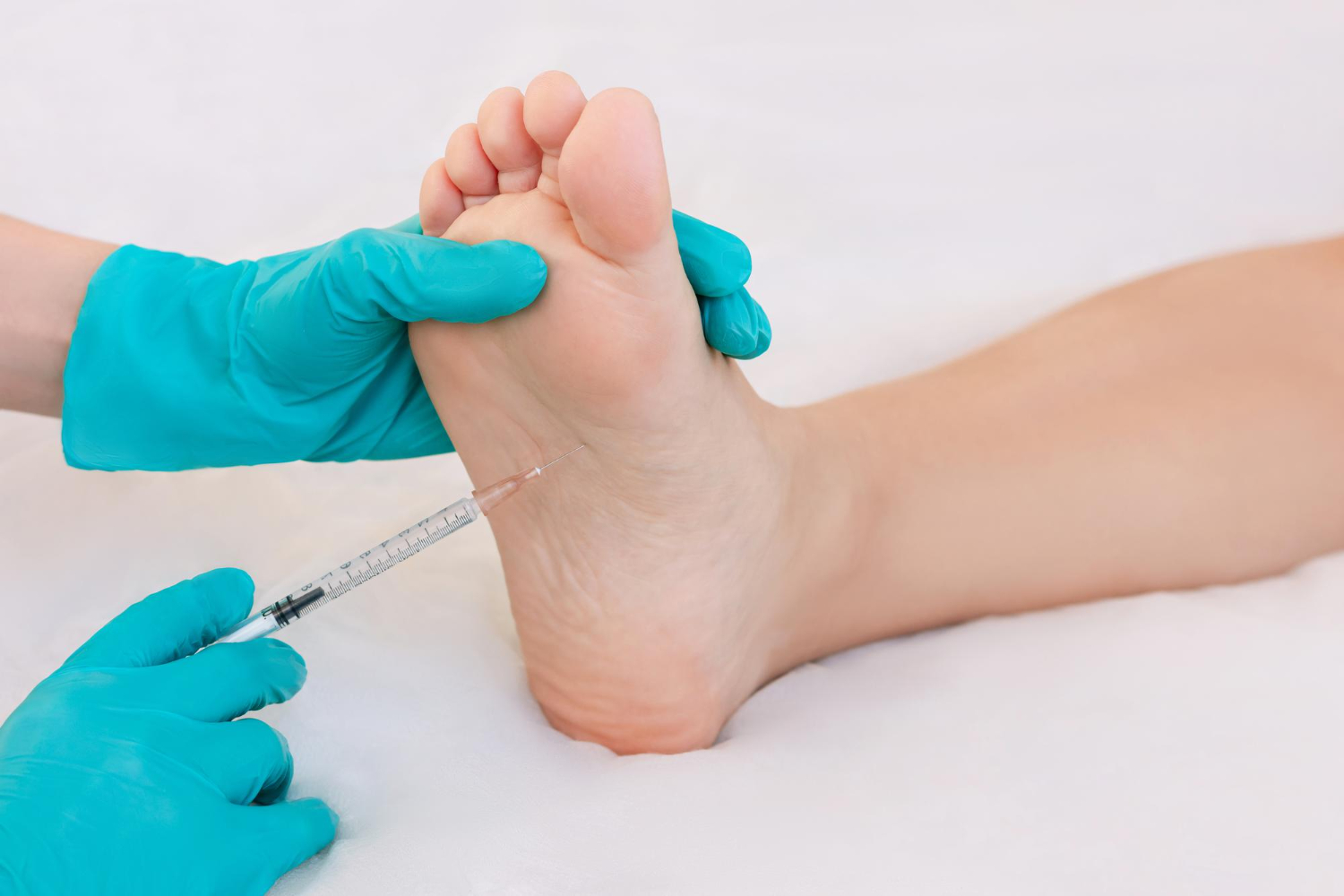
One possible cause is thinning or displacement of the heel fat pad, the cushion beneath your heel bone. This discomfort often feels like stepping on a bruise directly under the center of the heel. Before we consider a fat pad injection in Alexandria, VA, we evaluate whether your symptoms may be related to plantar fasciitis, a stress injury, nerve irritation, tendon concerns, or another foot and ankle condition.
How Heel Fat Pad Problems Differ From Plantar Fasciitis
Your heel fat pad acts as a natural shock absorber. Each time you stand, walk, or run, it helps spread pressure away from the heel bone. Over time, that cushioning can become thinner or less effective, making hard surfaces feel especially unforgiving.
Fat pad pain and plantar fasciitis can both cause heel discomfort, but the pain pattern may be different. With a fat pad problem, we often hear descriptions such as “bruised,” “tender in the middle,” or “worse when I walk on tile or concrete.” Long periods of standing may also bring on symptoms.
Plantar fasciitis often creates pain closer to the inside of the heel, where the plantar fascia attaches. Some people notice it most with their first steps after getting out of bed or standing after a period of rest.
A careful evaluation helps us look beyond the location of pain alone. Treatments commonly used for plantar fasciitis may include:
- Stretching and activity changes
- Supportive footwear or custom orthotics
- Physical therapy
- Shockwave therapy for certain chronic cases
Those options may still play a role in your care, but they do not always address reduced heel cushioning. The right treatment depends on what is happening beneath the surface.
When Fat Pad Injection May Be a Sensible Option
A fat pad injection may be considered when heel pain appears connected to fat pad thinning, atrophy, or reduced cushioning and conservative care has not brought enough relief. The goal is not to treat every sore heel the same way. Instead, we match the plan to the diagnosis, your daily demands, and the way pain affects your movement.
Before discussing an injection, we may recommend measures that protect the heel from repeated impact. These can include supportive shoes, heel cups, custom orthotics, activity changes, and anti-inflammatory approaches when appropriate for your health needs. These steps can reduce pressure on the heel and help us understand how your symptoms respond to added support.
Whether a fat pad injection in Alexandria, VA makes sense depends on several factors, including:
- Where your pain is located and when it occurs
- Your work, exercise, and standing demands
- Your foot shape, alignment, and walking pattern
- Your medical history and prior treatments
- Imaging findings, when imaging is needed
Injections are not a one-size-fits-all answer. If pain is caused by a plantar fascia injury, a fracture, nerve issue, or another condition, a different approach may be more appropriate. That is why we start with a clear assessment rather than choosing treatment based on symptoms found online.
Comparing Injections with Other Heel Pain Treatments
Heel pain treatment works best when it is based on the problem causing the pain. For chronic plantar fasciitis, for example, we may discuss options such as supportive footwear, custom orthotics, stretching, physical therapy, and shockwave therapy. These treatments focus on the plantar fascia and the forces that continue to irritate it.
For select soft-tissue injuries, regenerative medicine may also be part of the conversation. Whether that approach is appropriate depends on the diagnosis and your treatment goals. We take time to explain why a specific option may fit your situation, as well as what it may not address.
Targeted injections can be one part of a broader plan, not a universal fix for heel pain. Similar symptoms can come from very different sources. A bruised feeling under the heel may point toward reduced cushioning, while burning, tingling, swelling, or pain after a sudden injury can suggest another concern that needs a different evaluation.
What to Expect From a Fat Pad Injection Appointment
During your visit, we begin by listening. Your pain pattern matters, including where it hurts, what makes it worse, how long it has been present, and whether it changes after rest or activity. We also ask about your shoes, work demands, exercise habits, previous treatment attempts, and health conditions that may affect care.
Our examination may include checking heel tenderness, foot alignment, range of motion, gait, and areas that could contribute to pain. We also look for signs of related issues, such as ankle instability, tendon problems, or changes in how your foot bears weight. When needed, imaging can help us rule out other causes of persistent heel pain.
If a fat pad injection in Alexandria, VA is considered, we explain the potential benefits, limits, risks, recovery expectations, and follow-up plan before treatment. Afterward, we may recommend limiting certain activities for a period of time, wearing supportive footwear, and paying attention to changes in symptoms. Ongoing or changing pain should be reassessed rather than pushed through.
Understanding Persistent Heel Pain
Heel pain that lingers should not be left to guesswork. A podiatric evaluation can help determine whether the issue involves the heel fat pad, plantar fasciitis, a stress-related injury, or another cause.
The practical takeaway is simple: pain directly beneath the heel deserves a diagnosis before treatment. Protecting the heel, following the care plan recommended for your condition, and returning for reassessment when symptoms persist can help you make informed decisions about your next steps.
Explore a Targeted Option for Heel Cushioning
At District Foot & Ankle, we can evaluate whether fat pad injection in Alexandria, VA may be appropriate for your persistent heel pain and daily activity needs. Our team will discuss your symptoms, imaging findings when needed, and conservative options before recommending a treatment approach. When you are ready to discuss your care, contact us to schedule an evaluation.