
Venous Leg Ulcers
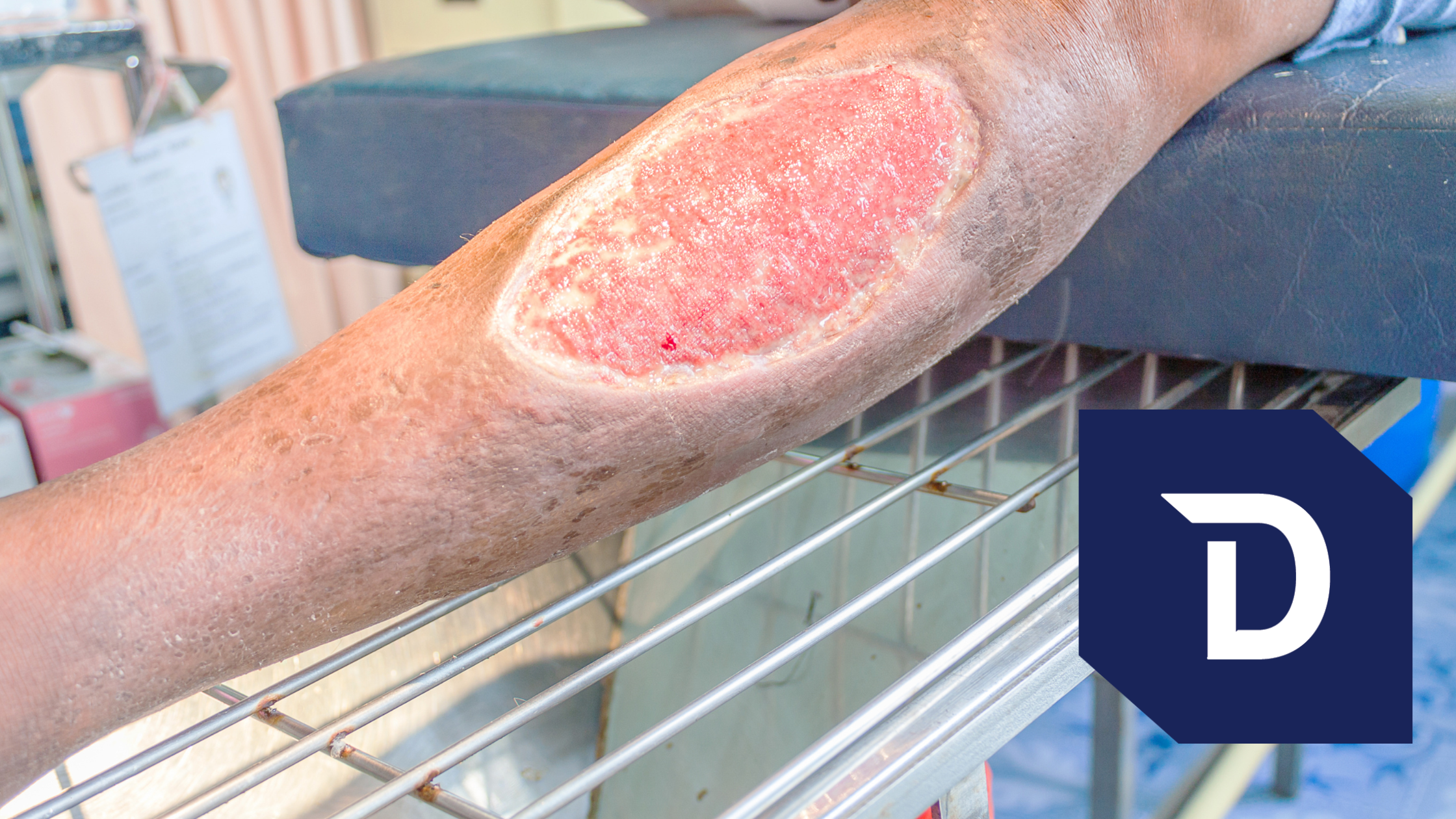
Venous leg ulcers are open sores that develop when the valves in your leg veins do not work well. They’re caused by venous insufficiency, where blood pools in your veins. This pooling increases pressure, breaking down your skin and causing ulcers. Symptoms can include leg pain, swelling, and skin changes. The ulcers can impact your life significantly and managing them starts with understanding the condition. Recognizing symptoms early is key for effective treatment, and there are many options available.
Understanding Venous Leg Ulcers
Venous leg ulcers are open sores that develop on your legs, typically above your ankles. They’re often the result of poor blood circulation in your lower limbs, which is usually due to a condition called venous insufficiency. This is when your veins struggle to send blood from your legs back up to your heart.
Veins are at a disadvantage because they need to work against gravity to force blood back up to your heart. To counteract this, throughout the course of the veins are valves which prevent backflow. When these valves do not work as well, there is increased backflow, increased pressure in the veins and this is what leads to venous insufficiency. Over time, the increased pressure can cause your skin to break down and form an ulcer.
Unfortunately, these ulcers don’t heal easily and often recur, making them a chronic issue. They can significantly impact your quality of life, causing discomfort, pain, and even mobility issues. But don’t worry, understanding venous leg ulcers is the first step towards managing this condition effectively.
Treatment Options Explored
The first step starts with a formal diagnosis. It is important to see a provider that specializes in the management of venous ulcers. Sometimes what was thought to be a venous ulcer turns out to be another diagnosis, which normally requires a different treatment plan.
Items that need to be addressed include:
- Infection
- Swelling
- Consideration for imaging
- Consultation with a vein expert/vascular surgeon
- Considering a biopsy of the wound
- Considering a skin graft (either your own skin or donated)
- Debridement (cleaning the wound).

Starting with compression therapy is the mainstay of treatment. This helps reduce the amount of fluid in the leg. Increased fluid in the leg creates a buffer zone between the delivery of nutrients and oxygen to the outer surface of the skin. It is more difficult for these nutrients and oxygen to reach the skin if there is too much fluid to traverse. Compression therapy helps reduce the buffer zone making it easier for nutrients and oxygen to reach the skin surface to allow for healing.
If infection has been resolved, and compression has been performed but there is still inadequate healing, your provider may recommend a vein procedure to be performed by either the vein expert or the vascular surgeon. This typically involves closing down the incompetent veins through a minimally invasive procedure.
In some cases, skin grafting can be considered and can be performed either in the office setting or in the OR, depending on the patient’s situation.
What is debridement?
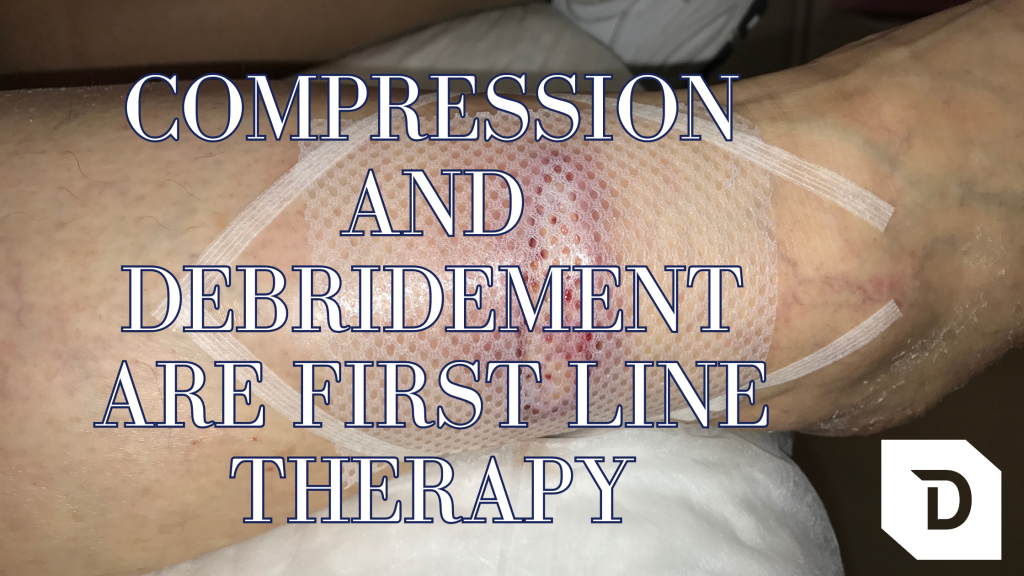
Typically, patients with the wound will be recommended to follow-up every week. This is important to assess how the wound is progressing, to ensure that there is no infection present, and most importantly for a surgical debridement of the wound. Debridement is a medical term used to clean the wound more aggressively that can be done at home. Surgical instrumentation is utilized. There are many benefits to debridement, including eradication of infection/bacteria, improving blood flow to the wound and increasing good growth factors to the wound bed to promote a healing response.
We have encountered many wounds that have failed to heal as second opinions because the SINGLE factor that was missing was debridement.
Pain is always a concern with debridement, however anesthesia can be utilized typically in the form of a topically applied anesthetic, like lidocaine.
Frequently Asked Questions
How Does a Venous Leg Ulcer Impact Daily Life and Activities?
Living with such a condition can dramatically affect your daily life. It may limit your mobility, making routine tasks challenging. You might experience constant pain and discomfort, disrupting sleep and overall well-being.
Wound care can also consume a significant portion of your day and require special supplies. Additionally, the appearance of the affected area might impact your self-esteem. It’s important to seek professional help to manage these challenges effectively.
Can Certain Professions or Lifestyles Increase the Risk of Developing a Venous Leg Ulcer?
Yes, your job or lifestyle can up your risk of health issues. Professions requiring long periods of standing or sitting, like nursing or truck driving, can stress your venous circulatory system.
Additionally, sedentary lifestyles, with little physical activity, can also affect your overall health. So, it’s important to keep moving and to take breaks if you’re in a job that requires extended periods of either standing or sitting.
What Is the Psychological Impact of Having a Venous Leg Ulcer?
Living with a chronic condition can take a toll on your mental health. You might face anxiety, depression, or stress due to constant pain, impaired mobility, or worries about your appearance.
It’s also common to feel frustrated because of the ongoing care the condition requires. The emotional impact may affect your relationships, work, and overall quality of life.
It’s essential to seek professional help if you’re struggling emotionally with a long-term health issue.
Conclusion
You’ve now got a solid grasp on venous leg ulcers, their symptoms, causes, and how they’re diagnosed and treated.
If you have been suffering from a leg ulcer that is not healing we invite you to reach out and set up a consultation with our wound care expert.